
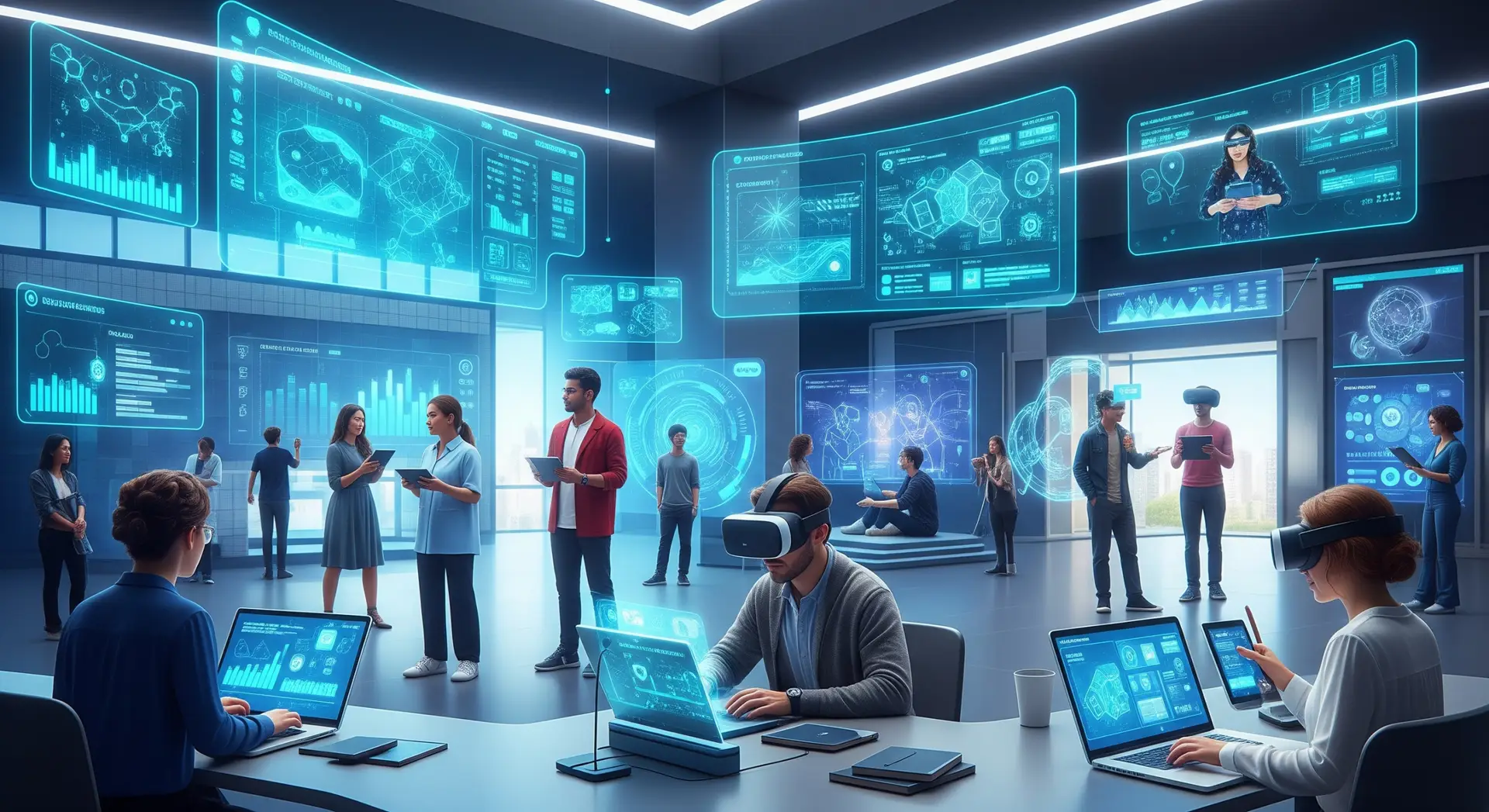
The landscape of higher education is transforming faster than ever before. By 2026, what students choose to study and how they learn will look very different from traditional models just a few years ago. Rapid technological advances, shifting job markets, and new employer expectations are shaping a future where skills, flexibility, and relevance matter more than ever. Whether you’re a student preparing for college, a professional thinking about upskilling, or a parent planning for the future, understanding these trends will give you a significant advantage.
Thank you for reading this post, don't forget to subscribe!Why Higher Education Is Changing in 2026
Education was once defined by a simple path: get a degree, secure a job, and build a stable career. But that model is rapidly evolving. Several global forces are rewriting what it means to earn a degree:
1. Skills Over Credentials
Employers are placing greater emphasis on practical, job-ready skills instead of just degrees. Organizations now seek graduates who can solve real problems, use modern tools, and adapt to change quickly. This shift has led to increased interest in micro-credentials, certifications, and skill-based learning that complement or sometimes replace traditional degrees.
2. Technology Driving Change
Artificial Intelligence (AI), Virtual Reality (VR), and advanced digital platforms are no longer future ideas — they’re part of everyday learning. Many universities are integrating AI into curricula to personalize learning and enhance student outcomes. AR/VR tools create immersive, practical learning experiences that make education more engaging and effective.
3. Flexible, Career-Linked Learning Models
Rigid degree programs are being replaced by flexible, stackable education options — where learners mix and match credentials, short courses, hands-on projects, and internships to build personalized career pathways.
Top Trends Shaping Higher Education in 2026
As higher education evolves, several clear trends are emerging that will define how students learn and what they study.
🔹 1. Rise of Microcredentials and Stackable Learning
Microcredentials — short, focused courses that certify specific skills — are growing rapidly. Unlike traditional multi-year degrees, these programs allow learners to gain specialized expertise in areas like data analytics, AI, digital marketing, and cybersecurity in months. Stackable programs let learners combine multiple credentials toward larger qualifications or degrees.
Why it matters: Students can enter the workforce faster and pivot careers without committing to full degree programs.
🔹 2. Immersive and Tech-Enabled Learning
Higher education is embracing emerging technologies like:
- AI-powered learning assistants that adapt to students’ progress.
- Virtual labs and simulations for hands-on practice.
- Augmented Reality (AR)/Virtual Reality (VR) environments for experiential learning.
These technologies make complex subjects more accessible and prepare students for tech-rich workplaces.
🔹 3. Career-Embedded Education
Institutions are increasingly integrating career experiences directly into degree programs. Internships, industry projects, entrepreneurship labs, and live case work are becoming standard components of many curricula, helping graduates enter the job market with both knowledge and experience.
🔹 4. Interdisciplinary and Hybrid Programs
Tomorrow’s challenges do not fit into single disciplines. Universities are breaking down academic silos, offering hybrid programs that combine technology with business, public policy with data science, or design with sustainability. These interdisciplinary degrees help students tackle real-world problems from multiple angles.
🔹 5. Online and Blended Learning Growth
Online education continues to flourish, providing flexible, affordable, and accessible options for learners worldwide. Blended models — combining in-person interaction with online tools — offer the best of both worlds.
The Most Valuable Degrees and Career Paths in 2026
Here are the degrees and majors that are projected to be most future-ready:
📌 1. Computer Science & IT
Tech roles remain at the top of global demand. Degrees focusing on computer science, software engineering, AI, and cloud computing offer strong employability and high salary potential. Employers are actively hiring fresh grads with IT expertise, especially in areas like AI and data analytics.
Career options: Software Developer, AI Engineer, Cloud Architect, Data Scientist
📌 2. Artificial Intelligence & Machine Learning
AI isn’t just a trend — it’s transforming every sector. Deep knowledge in machine learning, neural networks, and automation will remain highly sought after by employers across industries.
Career options: AI Specialist, Research Scientist, Robotics Programmer
📌 3. Cybersecurity
With the digital world expanding, cybersecurity professionals are essential to protect data and systems.
Career options: Ethical Hacker, Security Analyst, Cybersecurity Consultant
📌 4. Data Analytics and Data Science
Organizations rely on data to make strategic decisions. Graduates who can interpret data and extract meaningful insights are critical assets in today’s job market.
Career options: Data Analyst, Business Intelligence Consultant
📌 5. Healthcare and Life Sciences
The global healthcare sector is expanding rapidly. Degrees in nursing, healthcare management, biomedical science, and related fields are increasingly relevant.
Career options: Healthcare Administrator, Biotech Researcher, Nurse Practitioner
📌 6. Sustainability and Green Technologies
With climate concerns rising, careers in renewable energy, sustainable design, and environmental science are gaining traction.
Career options: Sustainability Analyst, Clean Energy Engineer
How are degrees evolving for future careers?
Degrees focused on technology and in-demand skills (like Computer Science, AI, Data Science, and Cybersecurity) are becoming more valuable. Fields such as healthcare, sustainability, and green technologies also show strong growth, with universities adjusting curricula to match job market needs.
What role do microcredentials and short courses play in 2026?
Microcredentials and short, focused learning programs allow students to gain specific career-ready skills quickly. These stackable credentials are increasingly accepted by employers and can be combined to build larger qualifications or support traditional degrees.
Why is technology important in higher education in 2026?
Technology like AI, AR/VR, and personalized digital platforms is transforming learning. AI can adapt content to individual needs, while VR/AR creates immersive, practical experiences — enhancing engagement, skills application, and preparing students for tech-driven workplaces.
What skills are most important for students graduating in 2026?
Students graduating in 2026 benefit most from practical, job-ready skills such as data analytics, digital literacy, problem-solving, and adaptability, along with emerging tech competencies in AI, cybersecurity, and cloud computing — combining both technical and human-centered skills to stay competitive.
{
“@context”: “https://schema.org”,
“@type”: “BlogPosting”,
“mainEntityOfPage”: {
“@type”: “WebPage”,
“@id”: “https://www.digitobrands.com/future-of-higher-education-in-2026-top-degrees-skills-trends/”
},
“headline”: “Future of Higher Education in 2026: Top Degrees, Skills & Trends”,
“description”: “Explore how higher education is changing in 2026. Discover future-ready degrees, AI learning trends, and in-demand career paths.”,
“image”: “https://www.digitobrands.com/wp-content/uploads/2026/01/Google_AI_Studio_2026-01-21T10_48_14.021Z-2048×1117.webp”,
“author”: {
“@type”: “Organization”,
“name”: “digitobrands”,
“url”: “https://www.digitobrands.com/author-sitemap.xml”
},
“publisher”: {
“@type”: “Organization”,
“name”: “digitobrands”,
“logo”: {
“@type”: “ImageObject”,
“url”: “https://www.digitobrands.com/wp-content/uploads/2026/01/cropped-Google_AI_Studio_2026-01-11T07_18_28.885Z-32×32.webp”
}
},
“datePublished”: “2026-01-15”,
“dateModified”: “2026-01-19”
}